The Name That Nobody Carved
This is a story about a woman who wrote her name on a building. That does not sound very scary. But the building is a castle, and she wrote it five stories up, on the outside, in the dark, on a night when she had been dead for six months.
So.
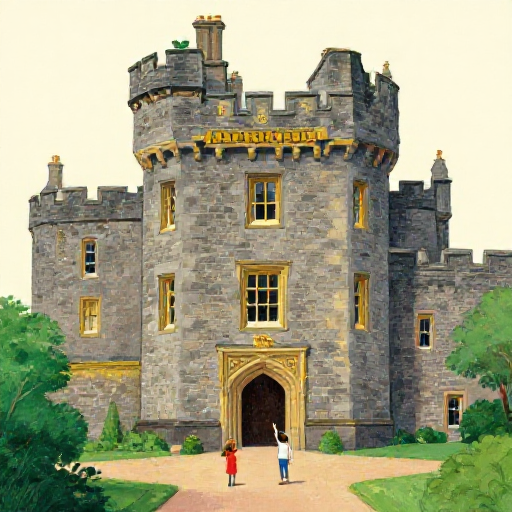
The name is still there. You can go see it if you like. Fyvie Castle, Aberdeenshire, Scotland. Look up at the window ledge on the Seton Tower and you will find the words DAME LILIES DRUMMOND carved deep into the stone. The letters are even and careful, the way you carve something when you have all the time in the world and very strong feelings about the person sleeping inside.
No one has ever explained how the carving got there. No scaffolding was found. No tools. No rope. Just a dead woman's name, cut into stone that a living person could not reach.
She had her reasons. Let's start at the beginning.
A Marriage That Went Badly
Lillias Drummond married Alexander Seton in 1592. He was the Lord Chancellor of Scotland, which is a very important job. She was the daughter of Patrick, Lord Drummond, which is a very important father. It was the kind of marriage where everyone shakes hands and feels good about the future.
The future did not cooperate.
They had five daughters. A son who died young. And Alexander Seton, who needed a male heir the way some people need air, began to look at Lillias differently. Not with anger exactly. With something colder. With math.
He sent her away. To a smaller house. With less of everything.
She died in 1601. The records say her death was sudden. She had been healthy and then she was not and then she was gone, which is a sentence that raises more questions than it answers. Nobody investigated very hard.
Alexander Seton had already started planning.
The Wedding and the Morning After
He remarried in December 1601. Less than six months after Lillias died, which is quick even by the standards of people who did not like their first wives very much.
His new wife was Grizel Leslie. The wedding was at Fyvie Castle. There was celebrating. There was feasting. Everyone had a lovely time, probably.
Then morning came.
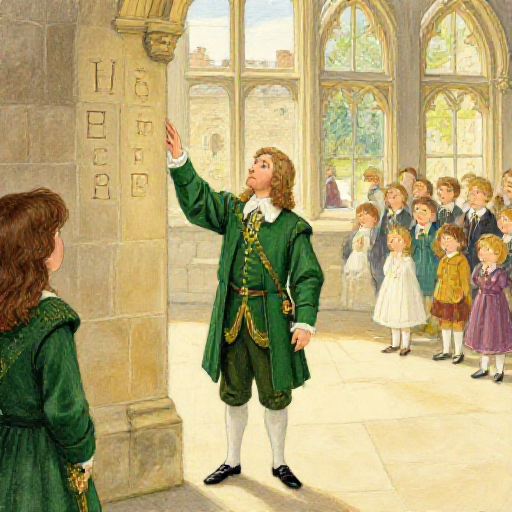
Someone looked up at the Seton Tower and saw it. DAME LILIES DRUMMOND. Carved into the stone window ledge, five stories above the ground, on the outside of the building, in letters that were deep and even and very, very deliberate.
The spelling is old Scots. The carving is real. No one heard anything during the night. No one saw anything. December in Aberdeenshire is dark and cold and not the kind of weather where you hang from the side of a building with a chisel.
Alexander Seton looked at it for a long time.
The records do not say what he said. I expect it was not cheerful.
The Woman in Green Who Smells Like Roses
After the name appeared, people started seeing her.
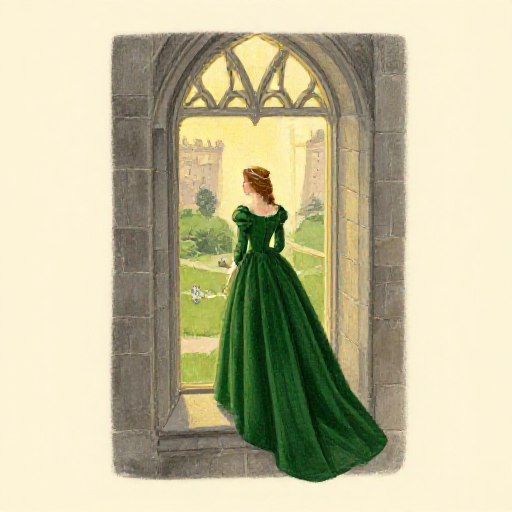
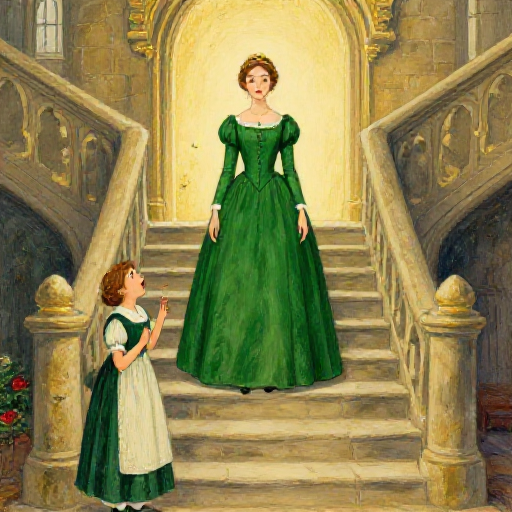
She walks through the corridors of the Seton Tower. The part Alexander built. The part that was most his. She wears a green gown, the kind that noble Scottish women wore in the late 1500s. She is not see-through. She is not glowing. People who have seen her say she looks completely solid, completely real, and then she is gone.
She does not speak.
But before she arrives, you will know she is coming. The room fills with the smell of roses. Fresh roses, strong and sweet, even in January, even in rooms that have been shut up for weeks. The staff have learned this over the centuries. When you smell roses in Fyvie Castle and there are no roses, you wait.
She appears where the scent is strongest.
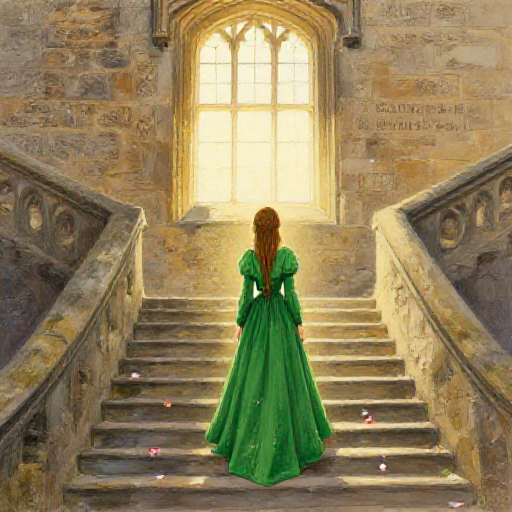
She is most often seen on the staircase. Standing still. Looking at something no one else can see. As though she is watching a scene from a life that only she remembers.
Four Hundred Years of Houseguests
The castle has changed hands many times. Lillias has outlasted every one of them.
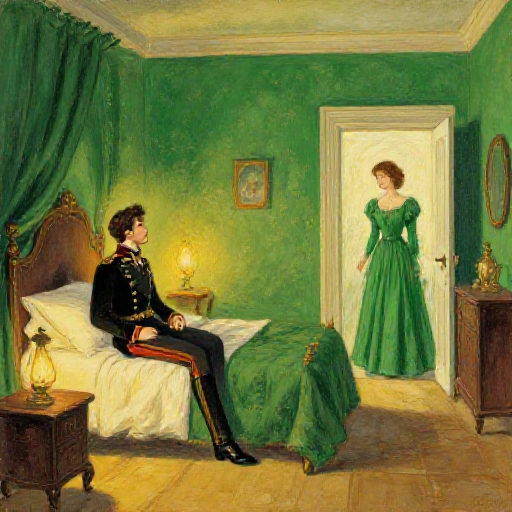
A general in the 1800s woke up to the smell of roses. He opened his eyes and saw a woman in green standing at the far wall of his bedroom. He called out. She was gone before the sound left his mouth. He was the kind of man who had been in wars. He did not sleep in that room again.
A later owner had a room sealed shut because the housemaid refused to go in anymore. The smell of roses in that room, according to people across multiple ownerships, never entirely went away.
Historic Environment Scotland manages the castle now. It is open to visitors. You can take a tour. The guides know the story. They answer questions about the Green Lady carefully, the way people answer questions about things they have not personally ruled out.
The carved name is on the outside. You can see it from the courtyard, if you know where to look.
She Wrote Herself Back In
Here is the thing about Lillias Drummond.
In four hundred years, she has never hurt anyone. Not once. She does not chase people. She does not slam doors or throw things or make threatening sounds in the dark. She stands, she walks, she fills a room with roses, and she leaves.
She was the mistress of that castle. Then her husband decided she was not useful anymore and sent her away to die somewhere smaller. He remarried before the flowers on her grave had time to grow.
So she came back.
She carved her name into the stone where he would have to see it every single day. She walks the halls he built. She has been doing this for over four centuries, and she has never once indicated she plans to stop.
The roses bloom in sealed rooms. The Green Lady walks the old stairs.
Her name is still on that wall. It will outlast everything else in the building.
Good for her, honestly.
The True History
Lillias Drummond was a historical figure, the first wife of Alexander Seton, first Earl of Dunfermline and Lord Chancellor of Scotland under James VI. She died on May 8, 1601, and Seton married Grizel Leslie on December 8 of the same year. The carved name DAME LILIES DRUMMOND on the exterior window ledge of Fyvie Castle is documented and has been confirmed by historians and architectural surveyors. The spelling "Lilies" rather than "Lillias" is a period variation, not an error. The carving's placement on the exterior face of the masonry, at a height that would have required extraordinary effort or access on the night of the wedding, has never been satisfactorily explained. It remains in place.
Fyvie Castle in Aberdeenshire is one of Scotland's finest examples of Scottish Baronial architecture. The Seton Tower, which Alexander Seton constructed, is the oldest surviving part of the current structure and is consistently associated with sightings of the Green Lady. The castle passed through several significant Scottish families after the Setons, including the Gordons and the Leith-Hays, and accounts of the Green Lady appear in records from multiple periods of ownership, suggesting the phenomenon was not fabricated by a single source. The scent of roses before or during sightings is the most consistently reported detail across accounts spanning centuries.
Historic Environment Scotland now manages Fyvie Castle, and it is open to the public. The castle is considered one of Scotland's most significant medieval and early modern fortifications and is a Category A listed building. The haunting of Lillias Drummond is part of the castle's official heritage interpretation. Accounts of the Green Lady were documented in print as early as the nineteenth century and have been collected by Scottish folklorists including those who contributed to the Survey of Scottish Witchcraft and related archival projects. The carved name remains accessible to view on the exterior of the castle.