Chapter 1
She does not come to kill you. That needs to be said first.
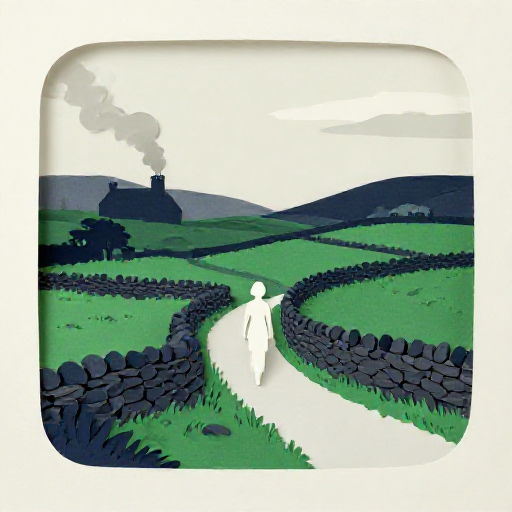
The roads through Ulster have always been older than the names we give them. Stone walls running nowhere. Fields that stay wet long after the rain has stopped. Out here, the old families have always known the rules: you keep the fire burning, you respect what you cannot see, and if you hear a woman keening in the dark, you do not go looking.
The O'Neills have held this land since before memory. Lords of Ulster, of Tír Eoghain. And with the land came something else. A presence. A mourner. A woman who belongs to no living generation but belongs to the bloodline nonetheless.
She has always been here.
Chapter 2
The word is bean sídhe in the old tongue. Woman of the fairy mound.
She is not a ghost. She is something older than ghosts. She existed before the distinction between the living and the dead became something people argued about. In the ancient hills of Ulster, the boundary between those two states was always porous, and she moved through it freely.
Her job, if you could call it that, is grief. Pure, unhidden grief. The kind that tears sound out of the body the way wind tears sound from a stretched wire.
The O'Neills did not summon her. They did not choose her. She attached herself to the blood long ago, and she has never let go. Not through war, not through exile, not through centuries of dispersal to other continents.
The blood is the thread. The thread does not break.
Chapter 3
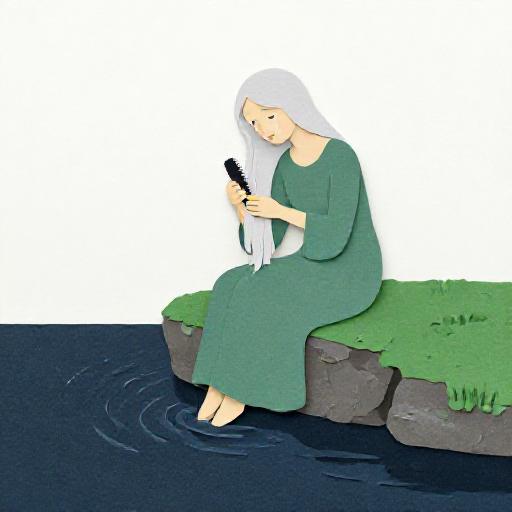
Some have seen her young. A pale woman sitting by a stream, combing hair the color of winter moonlight. Her comb is silver. Her gown is grey-green, the color of lichen on old stone. Her face is beautiful and very still, the way a face looks when it has already accepted something.
Others have seen her old. A hunched shape in the shadows, hollow-cheeked, eyes red from centuries of weeping. Fingers like bare branches. A voice that sounds like it was broken long before she ever used it.
Both descriptions are accurate.
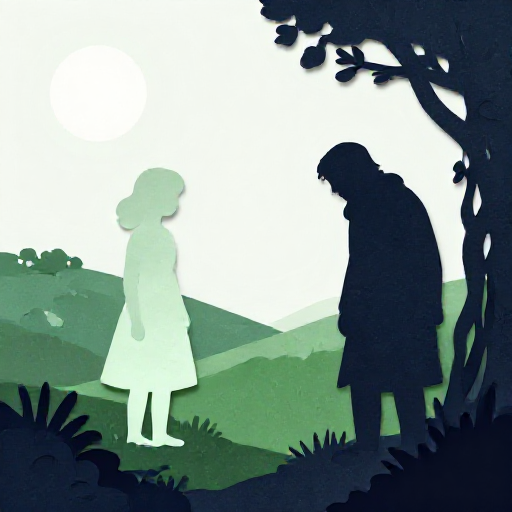
She is whatever grief needs her to be. For a young man taken too soon, she appears young. For an elder reaching the end of a long life, she shows her age.
She is not frightening because she is ugly. She is frightening because she understands something you do not yet.
Chapter 4
The sound comes first.
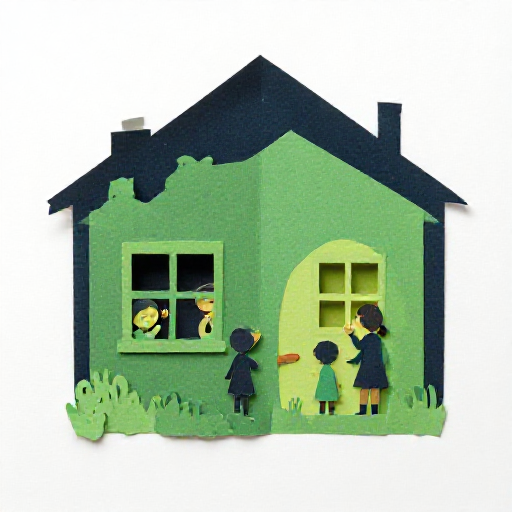
Not a scream, exactly. Not a wail, exactly. Something between the two and below both of them. A sustained note of pure sorrow that seems to come from the ground as much as the air. Old people in the hills of Tyrone and Antrim knew the sound when they heard it. They would stop what they were doing. They would go very quiet.
Someone in the O'Neill line would be dead before morning.
The sound does not make it happen. She is not a curse. She is a signal. She knows before you do, the way a dog knows before the thunder arrives, because she is tuned to something you cannot hear with ordinary ears.
If you hear her, it means she was already watching. It means the thread between your family and hers is still intact.
Chapter 5
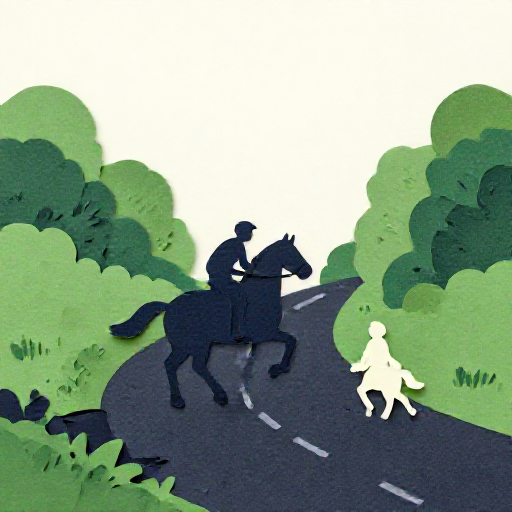
There is a story about a man traveling from Dungannon to Armagh by night, sometime in the early 1800s. He heard the keening from the ditches alongside the road. He spurred his horse faster, arrived home in a state of cold dread, and found his house in darkness and his elderly father already gone.
He told his children. They told theirs.
In the counties of Ulster, these stories accumulate the way peat accumulates. Layer upon layer. Each one adds to the depth rather than displacing what came before.
People who have left Ireland entirely, who live now in Boston or Brisbane or Belfast's New York suburbs, sometimes report hearing something through a window at night. A sound they cannot place. They call home the next morning.
Sometimes the call is answered. Sometimes it is not.
Chapter 6
She is still out there, along the old roads.
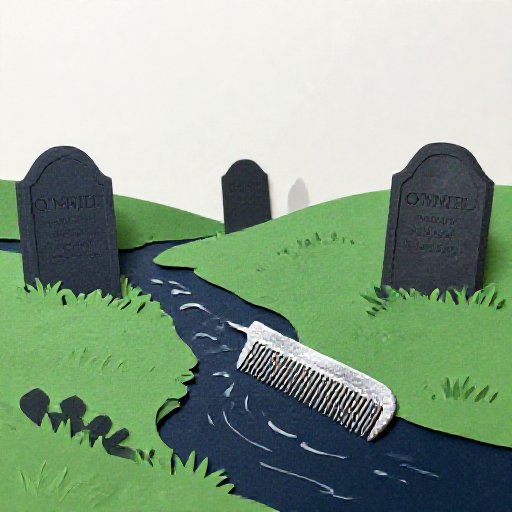
Some nights the streams run louder than they should. Some nights a silver comb has been found at the edge of water with no one around to have left it. In churchyards where O'Neill names are carved into stone, there are people who will not walk after dark, not from fear, but from a kind of respect they have difficulty articulating to outsiders.
She mourns the ones she has watched since birth. She has known their names longer than they have.
To hear her is not a curse. It is, in its strange and terrible way, a kindness. You are not forgotten. You were loved by something old enough to remember what love costs.
The comb moves through silver hair in the dark, and somewhere far away, a phone begins to ring.
The True History
The banshee is one of the most consistently documented figures in Irish folklore, appearing in records stretching back to at least the eighth century. Unlike most ghost traditions, the banshee is not tied to a location but to a bloodline. She has historically been associated with the great Milesian families of Ireland: the O'Neills, O'Briens, O'Connors, O'Gradys, and Kavanaghs, among others. The general understanding was that only families of pure Irish descent could claim a banshee, which led to considerable social weight being placed on the claim of having one.
The dual appearance of the banshee, young and beautiful or old and haggard, appears consistently across regional variants. Scholars including Patricia Lysaght, who conducted extensive fieldwork on banshee traditions in the twentieth century, documented hundreds of personal testimonies from people across Ireland who reported hearing or seeing her. Lysaght's 1986 work "The Banshee: The Irish Supernatural Death Messenger" remains the definitive academic treatment of the subject. What is striking in the testimony is the consistency: witnesses almost never describe the experience as frightening in a malevolent sense. The dominant emotion reported is one of foreknowledge, sorrow, and a strange intimacy.
The silver comb is a detail that appears across many regional accounts and has been theorized to connect the banshee to older fairy lore, where combing hair was associated with otherworldly women near bodies of water. In some accounts, finding a comb after the keening was considered as significant as hearing the sound itself. The O'Neill family itself, as the preeminent ruling dynasty of Ulster before the Flight of the Earls in 1607, scattered across Europe and eventually the world, but oral tradition has consistently held that the banshee went with them. Reports from Irish diaspora communities in the United States and Australia, documented as recently as the mid-twentieth century, continue this thread.